
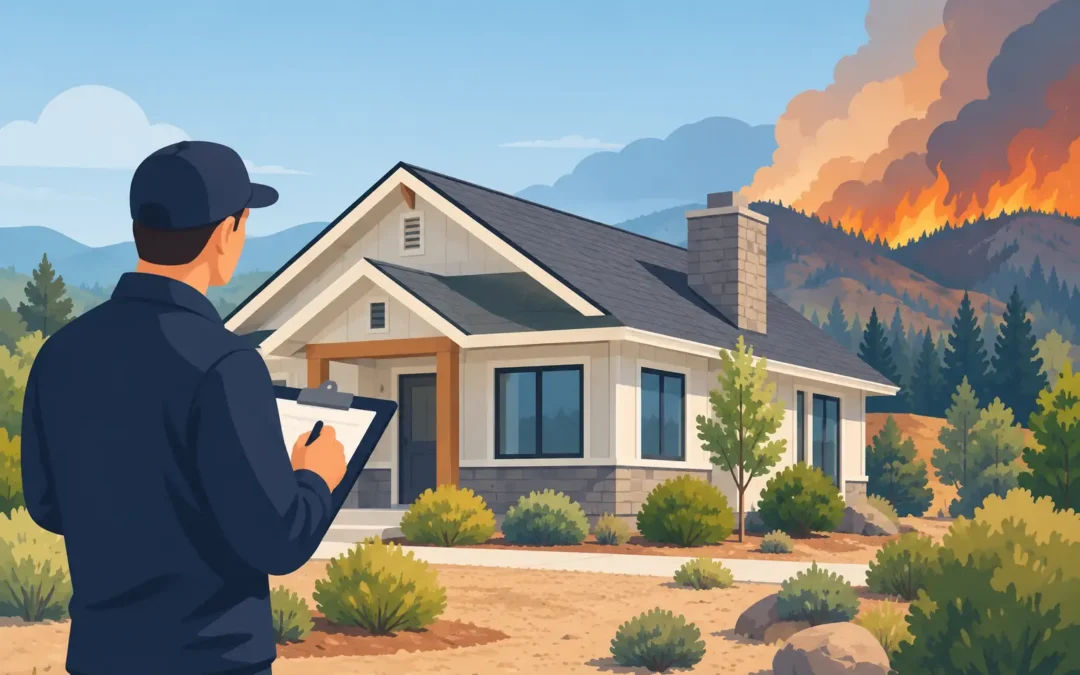
A home insurance inspection can feel unsettling, especially when wildfire risk has already made coverage harder to find. But an inspection is not automatically a sign that your policy will be canceled or that your premium will rise. It is usually the insurer’s way of confirming the home’s condition, replacement cost, and exposure before issuing, renewing, or changing coverage.
For foothill and mountain homeowners in Central and Northern California, the details matter. A clear inspection record can help an insurer see the work you have done to protect the property, while overlooked maintenance or inaccurate home information can create complications at exactly the wrong time.
What a Home Insurance Inspection Is Really For
A home insurance inspection is different from the inspection performed during a real estate purchase. The insurance version is focused on whether the home matches the policy application and whether conditions at the property create a claim risk the carrier is unwilling to take.
Some inspections are completed in person. Others rely on exterior photographs, aerial imagery, public records, or a drive-by review. The insurer may inspect before binding coverage, shortly after a policy starts, at renewal, or after a major change such as a remodel, roof replacement, or wildfire-related underwriting review.
The inspector is generally not deciding whether your home is safe to live in. They are documenting insurance-relevant facts: roof condition, construction materials, visible hazards, property access, nearby vegetation, detached structures, and signs of deferred maintenance. Their report goes back to the insurance company, which determines whether any changes are needed.
Home Insurance Inspection Guide: What Insurers Look At
The exact standards vary by carrier. In high-risk California areas, however, insurers often pay close attention to the items below because they affect both wildfire losses and everyday property claims.
Roof age, material, and condition
The roof is one of the first things an insurer will evaluate. Missing shingles, curling composition shingles, moss buildup, visible patches, sagging areas, or debris accumulation can signal a higher chance of water damage or wind loss. In wildfire territory, a Class A fire-rated roof is especially meaningful, but its condition still matters.
Be accurate about the roof’s age and material on your application. If your paperwork says the roof was replaced recently but an inspection suggests otherwise, the carrier may ask for proof or revise the policy terms. Keep invoices, permits, and photographs from roof work in a safe place.
Defensible space and vegetation
Insurers increasingly use aerial imagery and property inspections to evaluate vegetation around the home. Dense brush, tree limbs overhanging the roof, combustible material beneath decks, and heavy leaf litter near structures can all raise concern.
Defensible space is not a one-time project. A property that was cleared last spring may look very different after a dry summer or windy fall. Maintain the area closest to the house, clear roofs and gutters, remove dead vegetation, and keep access routes reasonably clear. Local fire requirements and recommendations should guide the work, particularly where terrain, protected trees, or steep slopes complicate vegetation management.
Exterior construction and openings
Inspectors may note whether the home has wood siding, enclosed eaves, screened vents, multi-pane windows, tempered glass, metal gutters, and noncombustible deck surfaces. No single feature guarantees that a carrier will offer coverage, and older homes can still be insurable. Still, upgrades that reduce ember entry and ignition risk can strengthen the overall picture of the property.
Pay attention to damaged siding, broken windows, unsecured crawlspace openings, and exposed areas under decks. These issues may seem cosmetic, but an insurer may view them as maintenance concerns or pathways for wind-driven rain, pests, or embers.
Access, water, and emergency response factors
In rural and mountain communities, access can influence underwriting. Narrow roads, steep driveways, limited turnaround space, locked gates, unmarked addresses, and long distances from a responding fire department may all be recorded.
You may not be able to change the road leading to your property, but you can make your home easier to locate and reach. Ensure your address is visible from the road, trim vegetation that blocks the driveway, and consider whether gates can be opened quickly during an emergency. If your property has a private water source, tank, hydrant, or other fire-suppression feature, document it, but do not assume every carrier will give it the same weight.
Maintenance and liability hazards
The inspection may also identify peeling paint, loose handrails, cracked walkways, failing fences, damaged chimneys, vacant structures, pools, trampolines, dogs, or visible electrical concerns. These can affect liability coverage or lead the insurer to request repairs.
A request to fix an issue is not the same as a non-renewal. Often, the carrier provides a deadline and asks for proof that the condition has been corrected. Read the request closely and respond on time. Ignoring it can turn a manageable repair into a policy problem.
How to Prepare Before the Inspection
Start by reviewing the information on your policy or insurance application. Confirm the square footage, year built, roof material and age, number of fireplaces, detached structures, pool details, and updates to kitchens, bathrooms, electrical systems, plumbing, or heating. A home that has been remodeled or expanded may cost more to rebuild than the current dwelling limit reflects.
Then walk the property as if you were seeing it for the first time. Look for roof debris, fallen branches, exposed wood, damaged steps, clogged gutters, broken screens, and items stored against the house. Take current photos after completing maintenance, especially of roof work, defensible-space efforts, exterior improvements, and major system upgrades.
You do not need to make the property look perfect. The goal is to provide an accurate, well-maintained picture of the home. Do not hide issues or give an inspector incorrect information. If there is a known concern, such as an aging roof scheduled for replacement, clear documentation and a realistic plan are better than a surprise.
If an in-person inspector is coming inside, secure pets and make reasonable access available to utility areas, attics, garages, and detached buildings if requested. Ask who is conducting the inspection, what areas will be reviewed, and whether you will receive a copy of any findings. Procedures differ by insurer, so it is reasonable to ask.
What Happens If the Report Finds Problems?
There are several possible outcomes. The insurer may accept the property with no action needed, request repairs, adjust the replacement-cost estimate, change eligibility, or decide it cannot continue the policy under its underwriting guidelines. In a tight California market, that last possibility is stressful, but it does not mean you are out of options.
First, ask for the specific reason behind the decision or repair request. Vague explanations are difficult to act on. If the report has an error, provide evidence. Aerial images can be outdated, square footage records can be wrong, and completed improvements may not be visible in a drive-by inspection.
If repairs are requested, find out the deadline, required documentation, and whether photographs are enough or a reinspection is needed. Keep copies of contractor invoices, permits, paid receipts, and before-and-after images. Do not assume a verbal update will be added to the file.
If a carrier will not write or renew the policy, compare the full coverage structure rather than focusing only on the headline premium. In wildfire-prone areas, a California FAIR Plan policy may be part of the solution, but it commonly needs a separate companion policy to address liability, water damage, theft, and other gaps. The right arrangement depends on the home, location, replacement cost, available carriers, and your financial tolerance for deductibles.
Avoid These Common Inspection Mistakes
The most costly mistake is waiting until a non-renewal notice arrives to check the home’s insurability. Coverage options are often better when there is time to address property conditions, gather documentation, and compare quotes without a deadline hanging over the decision.
Another mistake is insuring the home based on its market value or mortgage balance. Insurance is designed around the estimated cost to rebuild, which can be higher or lower than what the property would sell for. Mountain access, labor availability, code upgrades, custom features, and material costs can all affect reconstruction expenses after a fire.
Finally, do not treat a low premium as proof of good protection. Review the dwelling limit, extended replacement coverage if offered, deductible structure, ordinance or law coverage, loss-of-use benefits, personal property limits, and exclusions. A policy that looks affordable can leave a serious financial gap after a major loss.
A home insurance inspection is an opportunity to see your property through an underwriter’s eyes before a claim or renewal forces the issue. If the report raises questions, a local wildfire-risk specialist can help you sort through the findings and request complimentary estimates that show your available coverage and deductible choices.